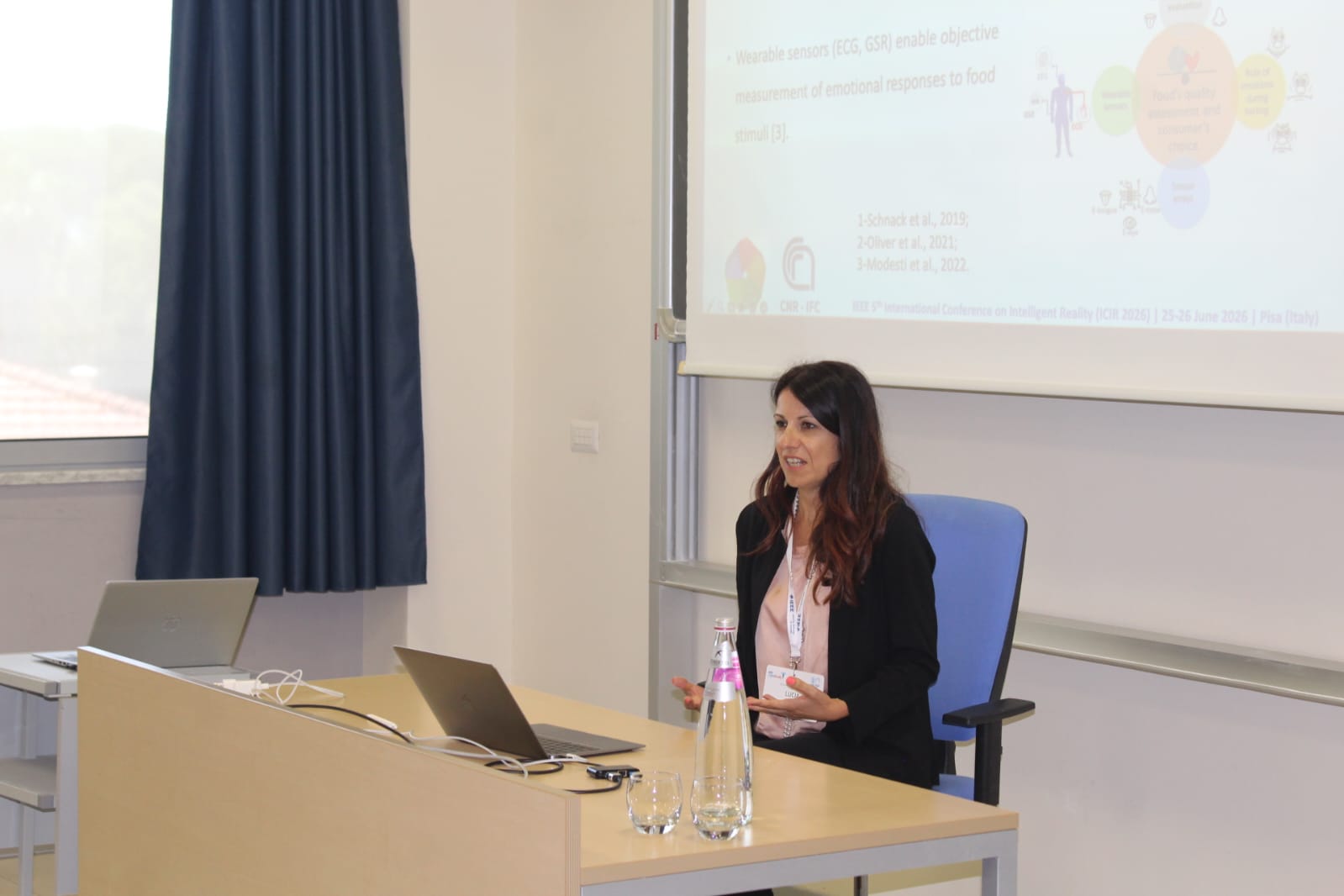

Vittorio Meini, Giorgia Procissi, Francesco Sansone, Gianluca Diodato, Lorenzo Bachi, Raffaele Conte, and Lucia Billeci.
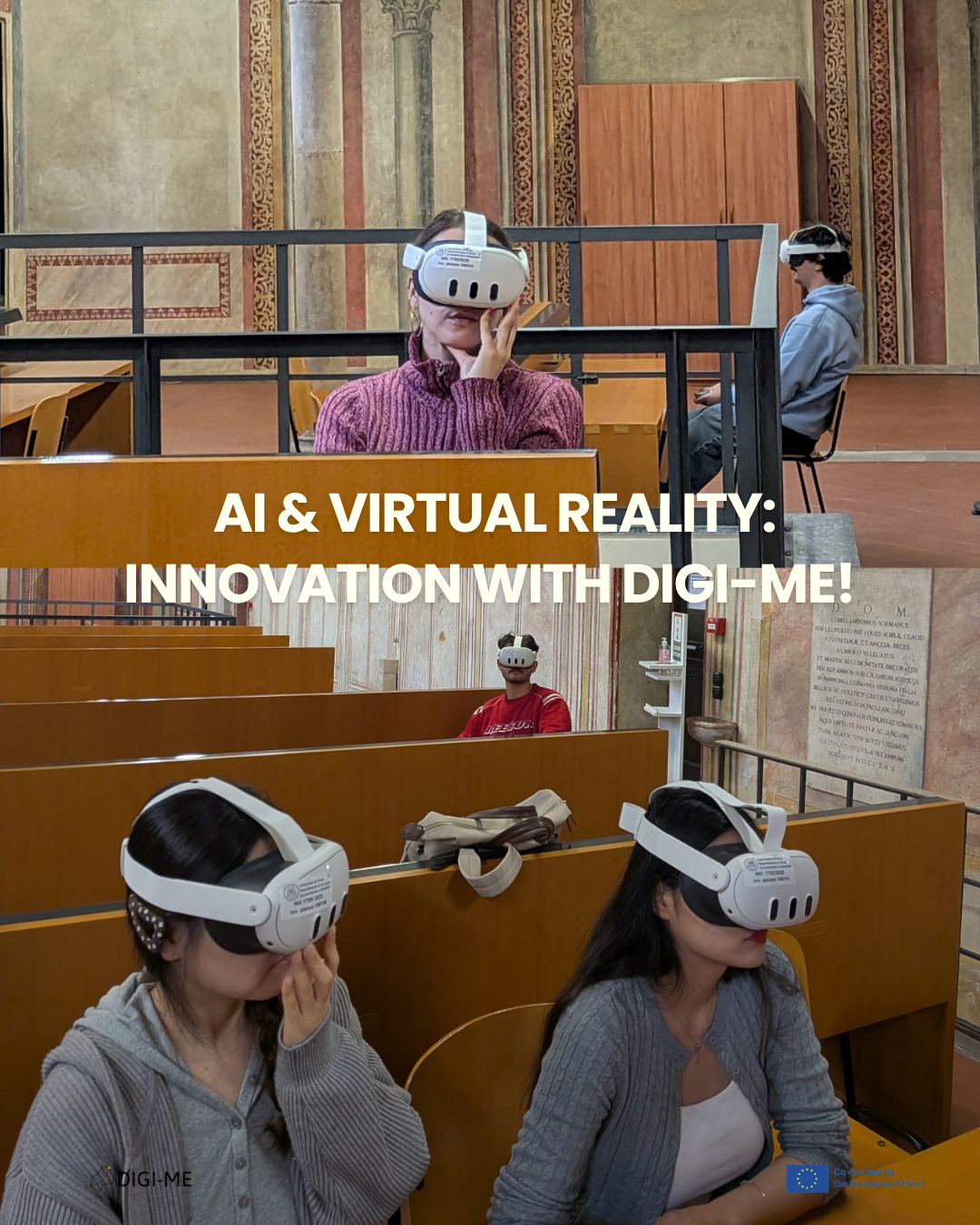
The two main objectives of this work are, on the one hand to assess 12 university student’s stress through wearable devices, and, on the other hand, to develop an AI framework to match each student with a mentor and to compare students and course descriptions, generating customized explanations for the student-course affinity.
To assess the students during stressful tasks, three different measurements were collected: Electroencephalogram (EEG) signal, collected through Insight 5 Channel Wireless EEG headset; Electrocardiogram (ECG) signal, collected through Shimmer ECG Unit ; and GSR signal, collected through Shimmer3GSR+ Unit. Two stressful tasks were proposed to the students: an arithmetic task, and a public speaking task. Before both tasks, a baseline signal was recorded, asking the student to relax with open eyes for 1 min and 30 sec.
For the second part of the study, students were asked to enroll to the online platform H360, developed in a previous work, and to fill out some questionnaires related to: stress, anxiety, motivation, self-efficacy, job profile, job career, soft skills, and digital skill. On the other hand, the mentors filled out a questionnaire choosing their job profile and self-assessing their digital skills. An algorithm computed a distance for each student-mentor couple and assigned a mentor to each student. This approach ensured an equitable distribution of students among mentors.
Furthermore, the teachers filled out a form for each course divided into these sections: Course identification, involving course name and short description; Intended learning outcomes (ILOs), expected for the end of the course; Digital skills developed by the course; Job families related to the course program; Prerequisites (optional), the list of digital skills required by the course as prerequisites; and Soft skills involved in the course. An AI algorithm computed an affinity score for each student-course couple, calculating the textual distance between students’ outcomes and the course descriptions. The affinity score is divided: Digital Skills Score (which accounts for 40% of the total); Soft Skills Score (which accounts for 20% of the total); Job Career Score (which accounts for 20% of the total): and Job Profile Score (which accounts for 20% of the total).
The LLM model Mistral was used to explain the student-course scoring. The prompt is completed by instructions on the structure and tone of the answer, e.g. Your language must be encouraging and constructive at all times. Never use terms like “lack”,”missing”, “low”, “low level”, “insufficient”, “weak”, “poor”. Instead use: “needs to be strengthened”, “still developing”, “an area to grow”, “not yet at the required level”.
The results of the descriptive analysis outline the psychological and skill profile of the sample, characterized by moderate levels of anxiety and low levels of stress. The students involved in the project, showed themselves to be willing to undergo in-person measurements, and to use the H360 platform, filling out the required questionnaires and promptly reporting any questions or issues they encountered while using the platform.