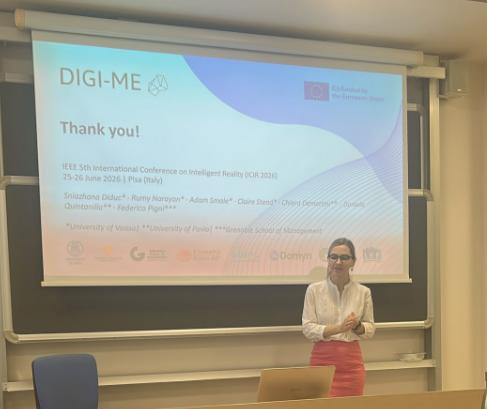

Maria Chiara Demartini, Daniela Quintanilla Segovia, Eugenia Parodi, Elisa Maccagni and Dmitrii Gribovskii (University of Pavia, Italy); Sniazhana Diduc, Rumy Narayan, Adam Smale and Claire Stead (University of Vaasa, Finland); Federico Pigni (Grenoble Ecole de Management, France) – Presented at ICIR 26
Purpose of the Study
As Artificial Intelligence (AI) and digital technologies continue to transform organizations, this study explores the digital and managerial competencies that future professionals will need, how emerging technologies are shaping these requirements, and how well current higher education curricula address them. Although digital transformation has become a key priority for higher education institutions (HEIs), especially after the COVID-19 pandemic, there is still limited research on future skill needs and their connection to emerging technologies and European university programmes.
Methodological approach
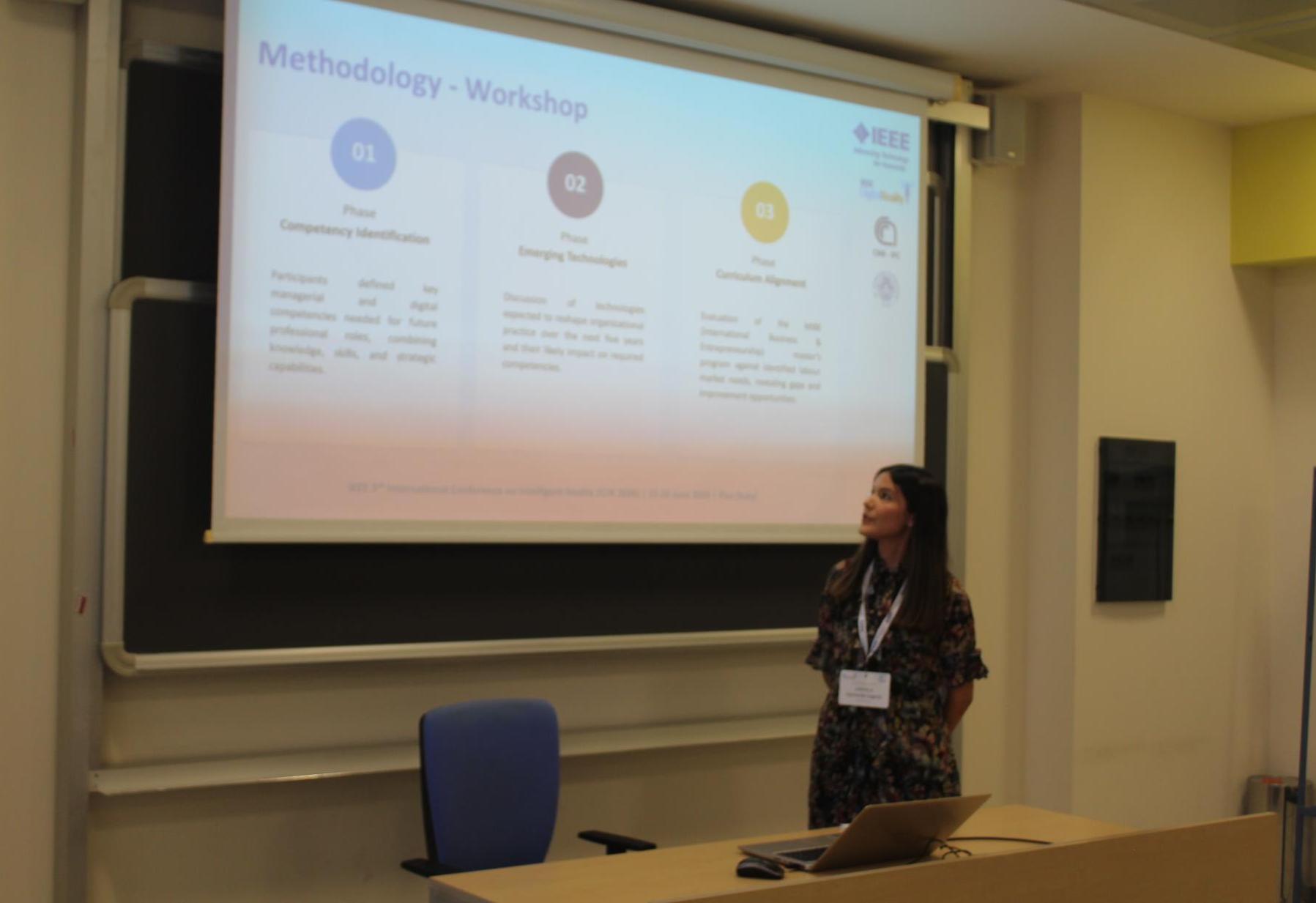
The study was based on a three-phase qualitative workshop involving eight stakeholders, including academics, master’s students, and industry experts from technology parks, small and medium-sized enterprises (SMEs), and research centers participating in the Italian Digital Ecosystem for Transformative Innovation (DETI) within the DIGI-ME project. The first phase focused on identifying the key competencies future professionals will need. The second phase explored the emerging technologies expected to have the greatest impact on organizations over the next five years. The final phase examined how these needs align with the curriculum of the Master’s Degree in International Business and Entrepreneurship (MIBE). The collected data were analyzed using Braun and Clarke’s (2006) thematic analysis approach.
Key Preliminary Findings
The participants identified several important competencies. Core managerial skills included project management, leadership, innovation management, knowledge of topics such as GDPR, project funding and technology transfer, as well as digital analysis skills. Essential soft skills were also highlighted, including teamwork, communication, adaptability, problem-solving, and continuous learning. Regarding emerging technologies, participants identified Advanced AI as the most influential area, particularly Large Language Models (LLMs) and prompt engineering. Other technologies expected to play an important role include neuro-symbolic AI, which supports explainability and trust, digital twins, quantum computing, and Virtual and Augmented Reality (VR/AR). In terms of curriculum alignment, the Digital Management track of the MIBE program was generally considered well aligned with future technological developments. However, participants identified opportunities for improvement, particularly in soft-skills training, practical and industry-oriented learning experiences, curriculum flexibility, and the inclusion of prompt engineering. Recommendations included strengthening soft-skills development, expanding experiential learning opportunities, increasing course personalization, and further enhancing collaboration with industry partners.
Conclusion
This study contributes to the discussion on future-oriented curriculum design by providing evidence on the relationship between competencies, emerging technologies, and higher education programmes. The findings highlight several areas that could support curriculum development, particularly soft skills, experiential learning, curriculum flexibility, and advanced AI competencies such as prompt engineering. These insights can help higher education institutions design program that better prepare students for changing labor market demands and technological developments.