
Digital Competency Development in Higher Education: A Comparative Assessment of Traditional and Immersive Learning Environments
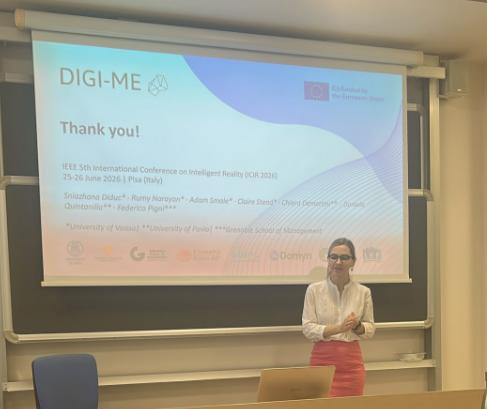
Maria Chiara Demartini, Michele Oppioli and Benedetta Pipino – University of Pavia, Italy, Department of Economics and Management – Presented at ICIR 2026.
Why it matters
Artificial intelligence, virtual reality and data-driven tools are changing what employers expect from graduates. Future managers need more than the ability to use software: they must interpret the results produced by digital systems, work alongside AI and turn technology into sound decisions. Virtual reality is often praised for making learning more engaging, yet we still know little about whether it actually helps students develop specific competencies. This study set out to explore that question.
What we did
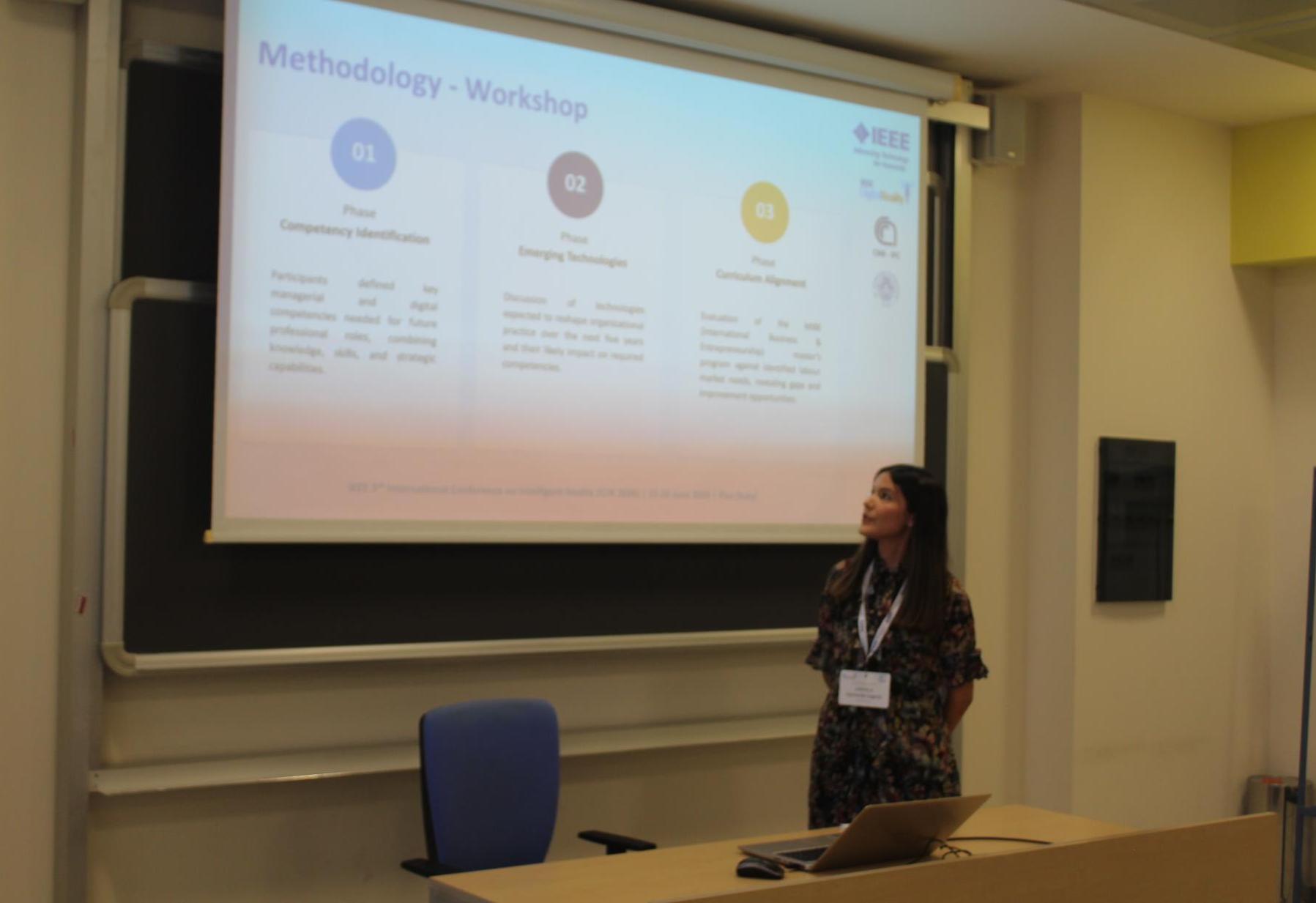
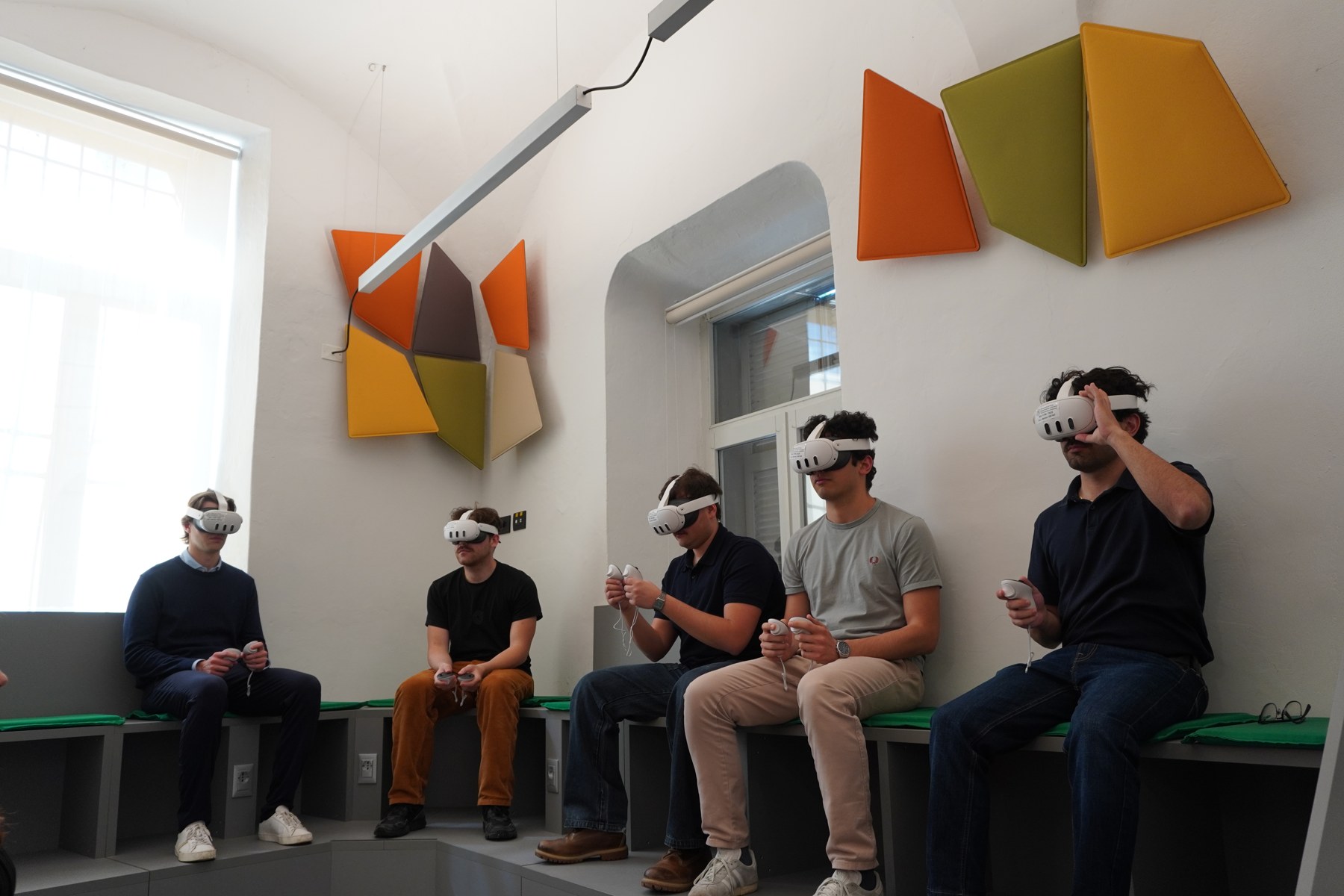
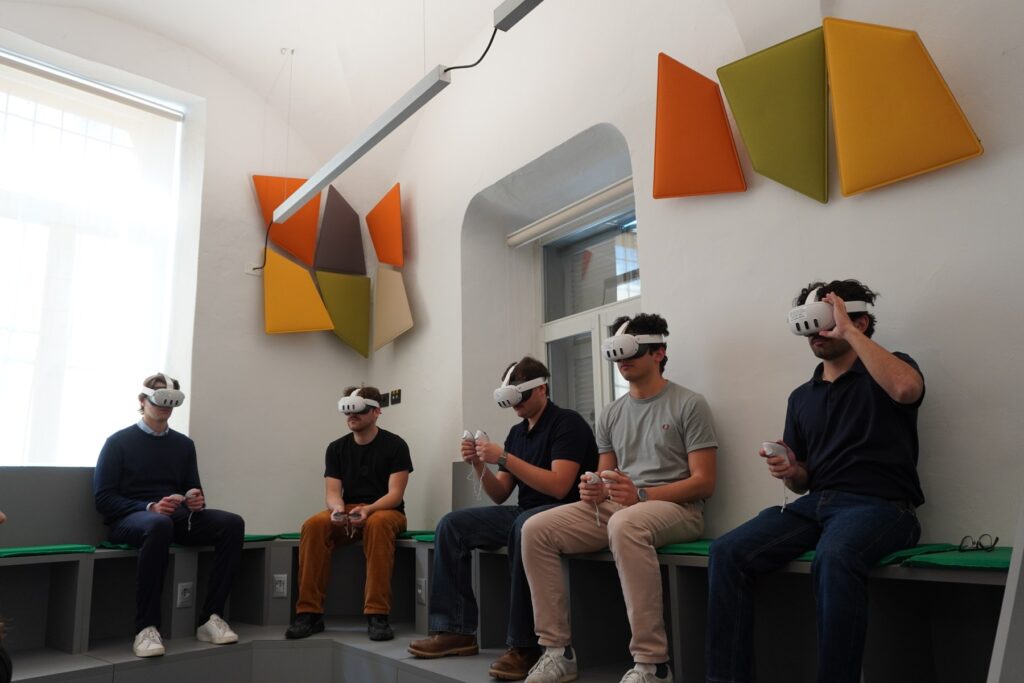
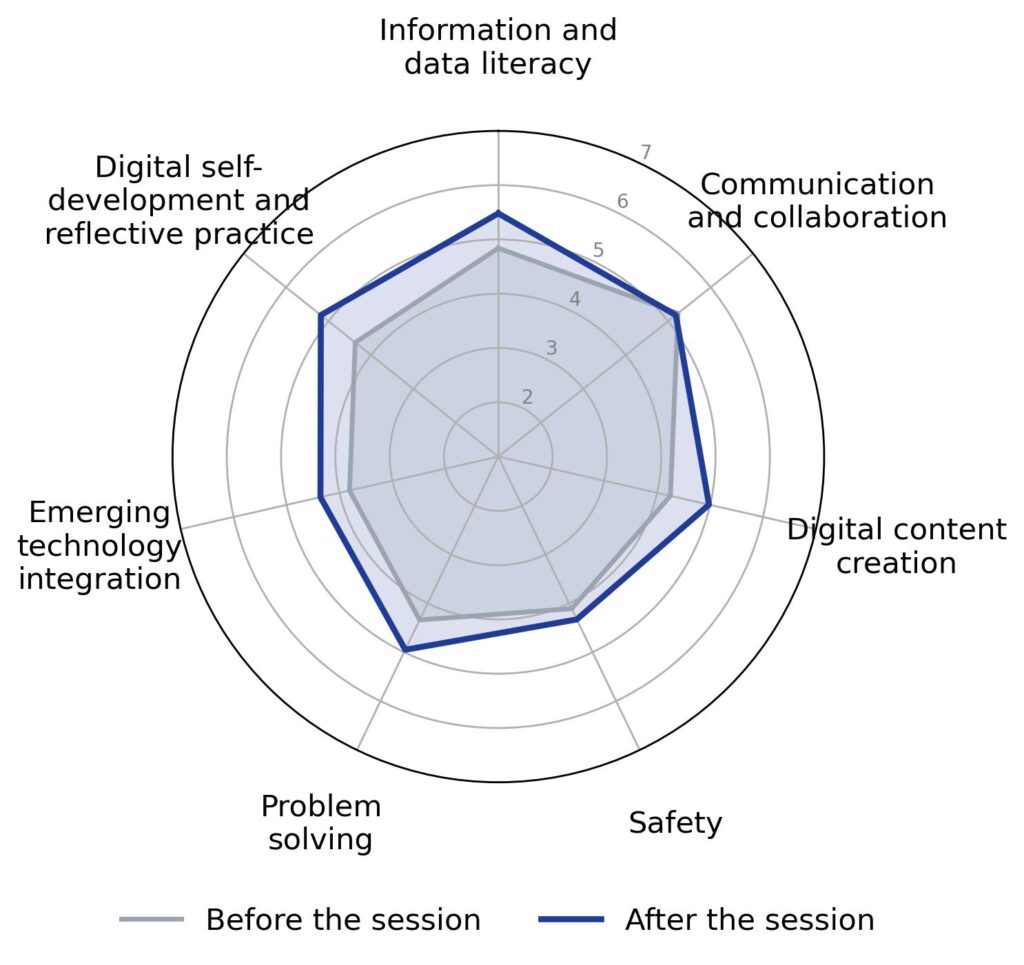
During the MIBE Career Day in May 2026, students and alumni of the Master in International Business and Entrepreneurship at the University of Pavia took part in two job interviews on the same day. The first was a traditional face-to-face interview with human resources professionals from companies attending the event. The second took place in virtual reality: wearing a headset, participants were interviewed by an AI-powered avatar that adapted its questions to their answers. They then received an automatic performance report and a short coaching conversation with a second AI avatar, which offered personalised feedback. Before and after the experience, participants rated their own digital skills across the seven areas of the Targeted Skills Framework, developed within the DIGI-ME project.
What we found
After the session, participants rated their digital skills more highly overall, and the share of answers at the two top proficiency levels almost doubled, from 26% to 49%. The largest gains concerned reflecting on one’s own professional development, creating digital content, handling information and data, solving problems and using emerging technologies. These are precisely the abilities the virtual interview called upon: performing in a realistic simulation and then making sense of AI-generated feedback. Communication and collaboration stayed stable, as they were already the highest-rated skills and the virtual interview was an individual activity. Digital safety, which covers privacy and ethical or legal risks, improved only slightly, suggesting that it needs longer and more structured learning. Participants also stressed that the value of technology depends on how it is built into the learning experience, not on the tool alone.
What it means
Traditional and immersive learning appear to work best together rather than as alternatives. The human interview offers authentic professional interaction, while virtual reality combined with AI feedback encourages reflection and technology-related skills. The results are exploratory, based on a small group of participants, and further sessions with MIBE students and alumni are already planned to strengthen the evidence. More about the project is available at digime-project.eu.